
Why Do Russians Turn the Calendar Over on September 3?
Shufutin's Day explained: Mikhail Shufutinsky, Третье сентября, why Russians turn the calendar on Sept 3 — meme history, culture & useful Russian phrases.
BeFluent Team
03 Sep 2026 · ~12 min read
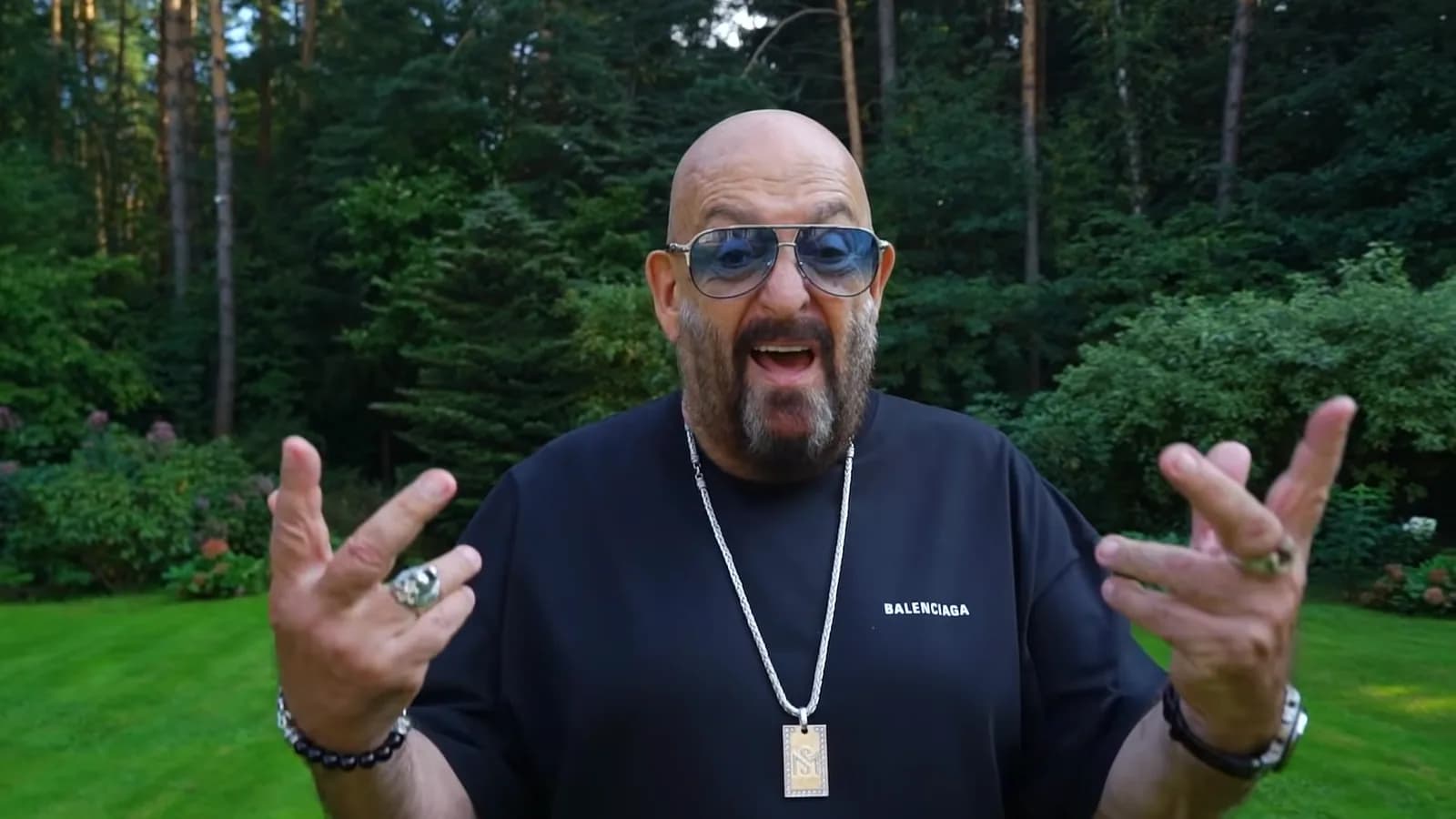
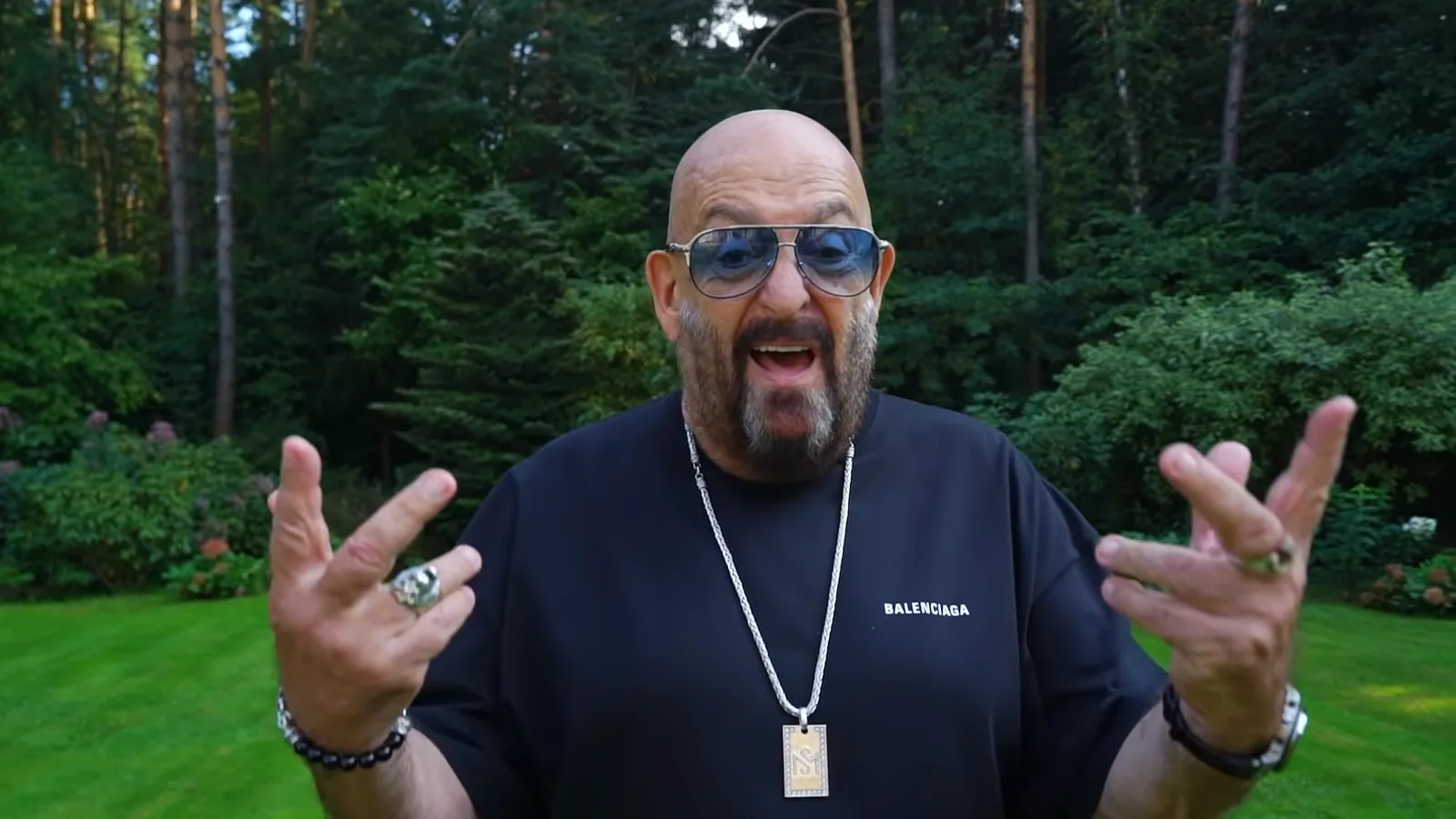
Quick answer: On September 3 Russians joke about "turning the calendar" because of Mikhail Shufutinsky's song Третье сентября. It is not an official holiday — it is an annual internet meme. Key phrase: Я календарь переверну.
Every year, something strange happens on Russian social media.
September arrives. Summer is almost over. People start going back to work and school. And then, on September 3, the internet suddenly fills with pictures of calendars, bonfires, yellow leaves — and one very recognizable man with a big beard.
His name is Mikhail Shufutinsky.
You may also see people writing:
"Did you turn the calendar over?"
Welcome to Shufutin's Day — one of the strangest and most persistent Russian internet memes.
But what is it all about?
Who is Mikhail Shufutinsky?
Mikhail Shufutinsky is a Russian singer, famous for performing Russian chanson.
Russian chanson is a genre of popular music that often combines stories about love, heartbreak, loneliness, life, and difficult relationships. It became especially popular in Russia and other post-Soviet countries.
Shufutinsky has been performing for decades and is one of the best-known singers associated with the genre.
But there is one song that has made him famous to an entirely new generation of internet users:
"The Third of September" (Третье сентября).
The song was first performed by Shufutinsky in 1993 and appeared on his album Gulyai, Dusha! in 1994.
The music was written by composer Igor Krutoy, while the lyrics were written by singer and songwriter Igor Nikolaev.
And this is where September 3 enters the story.
What happened on September 3?
According to the song, September 3 is the day when a relationship ended.
The narrator remembers his former lover and tries to understand why they broke up.
The song is full of classic dramatic imagery: autumn leaves, lonely evenings, promises that have been broken, and — most importantly — a calendar.
The famous line says:
"I'll turn the calendar over — and it's September 3 again."
That simple sentence would eventually become one of the most recognizable memes in Russian-speaking internet culture.
But there is an important detail:
September 3 was not chosen because something special actually happened on that date.
Igor Nikolaev, the author of the lyrics, has explained that there is no hidden historical event behind the date. The line simply worked well with Igor Krutoy's melody, and the fictional story of the breakup grew around it.
So no, Russians are not commemorating a real tragedy on September 3.
They are remembering a song about one.
So why does everyone turn the calendar?
This is the part that confuses foreigners the most.
The phrase "turn the calendar over" comes directly from the song.
In the song, the narrator looks at his calendar and turns the page.
And what does he see?
September 3.
So every year, Russians jokingly recreate this moment.
- September 2: "Tomorrow is September 3…"
- September 3: "TURN THE CALENDAR!"
And suddenly your social media feed is full of Shufutinsky.
It is not a real tradition.
There is no national holiday.
Nobody gets a day off work.
There is no official "Shufutin's Day" on the Russian calendar.
It is simply an internet joke that became an annual ritual.
How did a sad song become a meme?
This is where the story gets even stranger.
The song was released in the 1990s, but it did not immediately become the giant cultural phenomenon it is today.
Its transformation into a meme is usually traced to 2011.
A popular Russian internet community called MDK posted a picture of American rapper Rick Ross together with a line from Shufutinsky's song.
Russian internet users immediately noticed something funny:
Rick Ross looked surprisingly similar to Mikhail Shufutinsky.
The beard. The face. The general vibe.
That was enough.
The image spread, people created new versions of the joke, and the connection between Shufutinsky, September 3 and the calendar became part of Russian internet culture.
By around 2013, the meme had become widely recognizable.
And from that point on, September 3 became almost impossible to ignore.
The meme that comes back every year
Most internet memes have a short life.
Someone makes a joke. It becomes popular. People repeat it for a few weeks. Then everyone forgets about it.
The September 3 meme works differently.
It disappears for almost an entire year.
Then, at the beginning of September, it comes back.
Every. Single. Year.
You can almost predict the timeline:
- August 31 — Someone remembers the song.
- September 1 — The first memes start appearing.
- September 2 — People begin posting pictures of Shufutinsky and calendars.
- September 3 — The internet goes completely Shufutinsky.
- September 4 — Everyone moves on. Until next year.
This annual repetition is actually part of what makes the joke funny.
You don't need to invent a new joke.
The joke is: "It's September 3 again."
And everybody already knows what that means.
Why is this funny to Russians?
To understand the meme, you need to understand a little bit about Russian internet humor.
Russian memes often work through shared cultural references.
You don't necessarily laugh because the original thing is funny.
You laugh because:
- everyone recognizes it;
- everyone knows the same reference;
- everyone knows that everyone else recognizes it;
- and the joke keeps coming back.
The "September 3" meme has all of these ingredients.
There is also a funny contrast at its center.
The original song is extremely dramatic. It is about heartbreak, loneliness and the end of a relationship. Shufutinsky sings it as if the fate of the universe depends on this breakup.
But the internet took all that drama and turned it into a ridiculous annual celebration.
The more seriously Shufutinsky sings, the funnier the meme becomes.
A sad love song became a celebration of… turning a calendar page.
The symbols of September 3
Once you know the meme, you will start noticing the same images everywhere.
- The calendar — the most important symbol. Someone is always turning a calendar over to September 3.
- Autumn leaves — the song is full of autumn imagery, so yellow leaves became part of the meme.
- Rowan bonfires — the song famously mentions "bonfires of rowan trees." Rowan trees have red berries, so images of red rowan berries and autumn landscapes are often used.
- Mikhail Shufutinsky — usually smiling, sometimes crying, sometimes holding a calendar, sometimes appearing in completely absurd situations.
- Rick Ross — because of the original meme connection, the American rapper sometimes appears in September 3 memes too.
Is "Shufutin's Day" a real holiday?
No.
And this is an important thing to explain if you're learning about Russian culture.
"Shufutin's Day" (Шуфутинов день) is an informal, humorous name for September 3.
It is not an official Russian holiday.
You won't find it marked as a public holiday on a government calendar.
You won't get a day off.
Your boss will probably still expect you to come to work.
But if your Russian friend sends you a picture of Shufutinsky on September 3, you are now prepared.
You know exactly what is happening.
Why has the meme survived for so long?
There are several reasons.
1. The date is extremely specific
A meme about "sometime in autumn" would not work nearly as well. But September 3 is precise. Everyone knows exactly when the joke happens.
2. The lyrics provide ready-made memes
"Turn the calendar over." "September 3." "Bonfires of rowan trees." These phrases are easy to put on pictures, videos and social media posts.
3. Shufutinsky is visually recognizable
His beard and distinctive appearance make him perfect meme material.
4. The song is genuinely dramatic
The contrast between serious chanson and silly internet humor makes the joke work.
5. It is an annual ritual
Every year, the meme gets a fresh wave of attention.
In 2022, for example, Shufutinsky even recorded a new version of the song with Russian pop star Egor Kreed, showing just how far the meme had traveled beyond its original audience.
Useful Russian words from the meme
If you're learning Russian, September 3 is actually a great vocabulary lesson.
And one phrase you should definitely remember:
Я календарь переверну
Ya kalendar' perevernu
"I'll turn the calendar over."
If you say this to a Russian on September 3, there is a very good chance they will know exactly what you mean.
So, what is Shufutin's Day really about?
In the end, it is about much more than one old song.
A relatively ordinary 1990s love song became an annual internet ritual decades later.
A random date became culturally significant.
A singer became a meme.
A line about a calendar became a catchphrase.
And a sad song about a breakup became one of the happiest recurring jokes of the Russian internet.
So when you see Russians posting pictures of Mikhail Shufutinsky on September 3, don't worry.
Nothing terrible has happened.
Nobody has declared a national emergency.
They are simply doing what Russians have been doing every September 3 for years:
turning the calendar over.
And finding September 3 again.
One last thing...
If you're learning Russian, cultural memes like this are more useful than they might seem.
Language isn't only grammar and vocabulary. It's also songs, jokes, movies, traditions and the strange references that everyone somehow understands.
At BeFluent, we believe that understanding these cultural references is a big part of learning to understand real Russian.
So next time someone asks you:
"Ну что, календарь перевернул?"
you'll know exactly how to answer.
Третье сентября.
Want more practical Russian for real life? Check our essential Russian keywords and phrases for natural conversation. And if you're ready to speak confidently, join BeFluent — click the banner below!
FAQ
Structured lessons, daily practice and a built-in dictionary. Try it free for 3 days.
Start learning free


Practice this in a real conversation
Lessons turn what you just read into conversations you can actually hold. Try free for 3 days
3 days free · cancel any time