
Russian Alphabet: Free Guide to 33 Letters + Pronunciation
Russian alphabet (33 Cyrillic letters) — free complete guide with pronunciation, writing tips, and common mistakes. Learn the alphabet fast for your next lessons.
BeFluent Team
14 Feb 2026 · ~10 min read
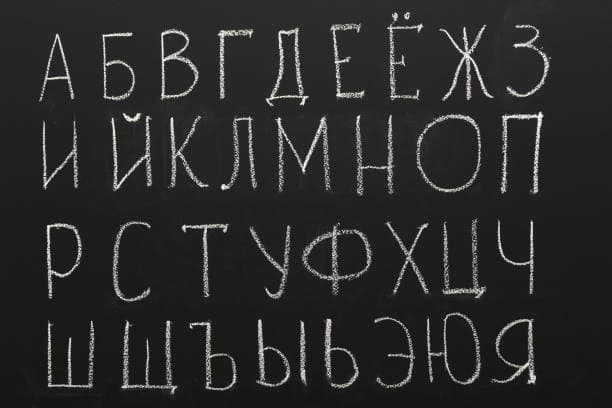
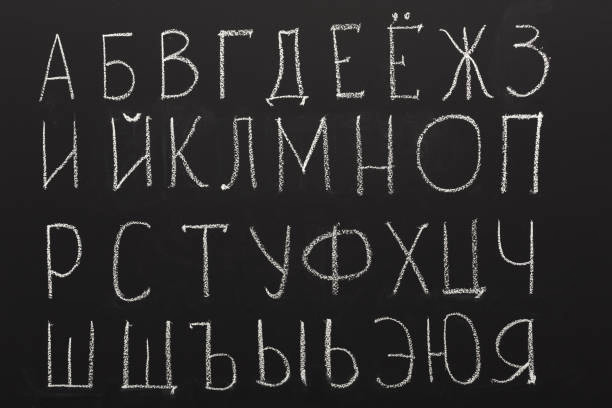
The Russian alphabet, also known as the Cyrillic alphabet, is the foundation of the Russian language. Learning the Russian alphabet is the first and most important step when you start learning Russian. Once you master the alphabet, move on to learning essential Russian keywords to start building your vocabulary. For guidance on the best way to learn Russian and which methods work best, see our comprehensive guide.
This complete guide will teach you all 33 letters of the Russian alphabet, their pronunciation, how to write them, and common mistakes to avoid. By the end of this article, you'll be able to read and write in Cyrillic!
What is the Russian Alphabet?
The Russian alphabet consists of 33 letters: 10 vowels, 21 consonants, and 2 letters that don't make sounds on their own (Ь and Ъ). Many people ask how many letters are in the Russian alphabet - the answer is exactly 33! It's called Cyrillic after Saint Cyril, who created the first Slavic alphabet in the 9th century.
Fun Fact: The Russian alphabet is used not only in Russia but also in many other countries like Ukraine, Belarus, Bulgaria, Serbia, and more!
Many letters in the Russian alphabet look similar to English letters, which makes it easier to learn. However, some letters look the same but sound completely different!
Complete Russian Alphabet: All 33 Letters
Here's the complete Russian alphabet with all 33 letters and pronunciation for each letter. When people ask how many letters are in the Russian alphabet, the answer is always 33 - this includes 10 vowels, 21 consonants, and 2 special signs:
Russian Alphabet: Letters That Look Like English
One of the easiest ways to learn the Russian alphabet is to start with letters that look the same as English:
Same Letters: А, Е, К, М, О, Т
These look AND sound similar to English!
However, be careful! Some letters look the same but sound different:
- В looks like English "B" but sounds like "V"
- Н looks like English "H" but sounds like "N"
- Р looks like English "P" but sounds like "R"
- С looks like English "C" but sounds like "S"
- У looks like English "Y" but sounds like "U"
- Х looks like English "X" but sounds like "KH" (like in "loch")
Warning: Don't assume letters sound the same just because they look similar! Always learn the correct pronunciation.
Russian Alphabet: Unique Letters
These letters don't exist in English and are unique to the Russian alphabet:
- Ж (zheh) - like "s" in "pleasure"
- Ц (tseh) - like "ts" in "cats"
- Ч (cheh) - like "ch" in "chair"
- Ш (shah) - like "sh" in "shoe"
- Щ (shchah) - softer version of Ш
- Ы (ih) - unique sound, between "i" and "u"
- Э (eh) - like "e" in "end"
- Ю (yoo) - like "u" in "use"
- Я (yah) - like "ya" in "yard"
- Ё (yo) - like "yo" in "yogurt"
- Й (ee kratkoye) - like "y" in "boy"
Russian Alphabet: Special Signs (Ь and Ъ)
The Russian alphabet has two special letters that don't make sounds on their own:
Ь - Soft Sign (Мягкий знак)
The soft sign makes the preceding consonant soft (palatalized). It doesn't have its own sound.
- мать (mat') - mother (the Т is soft)
- день (den') - day (the Н is soft)
- письмо (pis'mo) - letter (the С is soft)
Ъ - Hard Sign (Твёрдый знак)
The hard sign prevents palatalization and creates a slight pause. It's rarely used in modern Russian.
- объявление (obyavleniye) - announcement
- подъезд (podyezd) - entrance
Tip: The hard sign (Ъ) is very rare in modern Russian. You'll mostly see it in compound words or older texts.
How to Learn the Russian Alphabet Fast
1. Learn in Groups
Group similar letters together:
- Same as English: А, Е, К, М, О, Т
- Look-alikes (different sounds): В, Н, Р, С, У, Х
- Unique sounds: Ж, Ц, Ч, Ш, Щ, Ы, Э, Ю, Я
2. Practice Writing
Write each letter 10-20 times. This helps with muscle memory and recognition.
3. Use Flashcards
Create flashcards with the letter on one side and pronunciation + example on the other. Review daily.
4. Read Simple Words
Start reading simple Russian words as soon as you know a few letters:
- мама (mama) - mom
- папа (papa) - dad
- дом (dom) - house
- кот (kot) - cat
5. Practice Daily
Spend 15-20 minutes daily on the Russian alphabet. Consistency is key! You can master it in 1-2 weeks with daily practice.
Common Mistakes When Learning the Russian Alphabet
Mistake 1: Assuming Look-Alikes Sound the Same
Many beginners see В and think it sounds like "B", but it actually sounds like "V"! Always learn the correct pronunciation for each letter.
Mistake 2: Ignoring Ё
Many Russians write Е instead of Ё, but Ё has a distinct sound (yo). Always use Ё when it's required, especially in dictionaries and learning materials.
Mistake 3: Not Learning Cursive
Russian cursive looks very different from printed letters. While you can start with printed letters, eventually you'll need to learn cursive for handwriting.
Mistake 4: Skipping Practice
You can't learn the Russian alphabet just by reading about it. You must practice writing and reading regularly!
Russian Alphabet: Vowels and Consonants
Vowels (10 letters)
The Russian alphabet has 10 vowels: А, Е, Ё, И, О, У, Ы, Э, Ю, Я
Important: Russian vowels can be stressed or unstressed. Unstressed vowels often sound different (reduced). For example, unstressed О sounds like А.
- молоко (malako) - milk (the first and last О are unstressed and sound like А)
Consonants (21 letters)
The Russian alphabet has 21 consonants: Б, В, Г, Д, Ж, З, Й, К, Л, М, Н, П, Р, С, Т, Ф, Х, Ц, Ч, Ш, Щ
Hard and Soft Consonants: Most Russian consonants can be hard or soft. The soft sign (Ь) and certain vowels (Е, Ё, И, Ю, Я) make consonants soft.
- мат (mat) - checkmate (hard Т)
- мать (mat') - mother (soft Т)
Russian Alphabet: Writing Tips
1. Start with Printed Letters
Learn printed (block) letters first. They're easier and used in books, signs, and digital text.
2. Learn Cursive Later
Russian cursive is very different from printed letters. Learn it after you master printed letters, especially if you plan to write by hand.
3. Pay Attention to Letter Forms
Some letters have different forms in uppercase and lowercase:
- А (uppercase) vs а (lowercase) - similar
- Б (uppercase) vs б (lowercase) - different!
- Д (uppercase) vs д (lowercase) - different!
4. Practice Letter Combinations
Practice common letter combinations:
- ст - very common (стол, стул)
- пр - common (привет, про)
- тр - common (три, трамвай)

FAQ
Structured lessons, daily practice and a built-in dictionary — free to start.
Start learning free


Practise this in a real conversation
Lessons turn what you just read into conversations you can actually hold. Try free for 3 days
3 days free · cancel anytime